All Discounted Items are Final Sale
New year, who this?
Well, if you're like us, you're hoping brand new living room ideas are knocking at your door in 2026. This year in interior design, "on trend" means homes that feel warm, lived-in and genuinely comfortable. That formal, showroomy feel is out, and layered, practical spaces are in. In this guide, you’ll find more than 20 living room decor ideas inspired by emerging 2026 trends — from layout changes to material choices — to help you create a room that feels current, welcoming and built for real life.

Source: JKath
If you've been arranging furniture based on catalogue-like aesthetics, quit it! In 2026, living rooms are designed around everyday use: Seating positioned for conversation, TV watching and relaxing, often anchored by a central coffee table or soft ottoman. Rooms feel more balanced when layouts allow easy movement and multiple seating zones rather than one formal focal point.
Furniture that blends materials instantly adds character to a space. Upholstered sofas paired with wood frames, woven accents, or metal legs feel more layered than matching sets. Mixing materials helps a room look collected rather than staged, and natural textures help soften modern silhouettes.
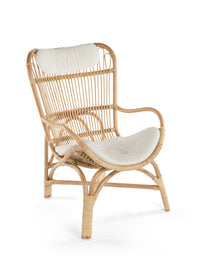
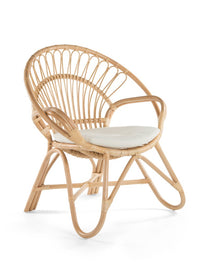
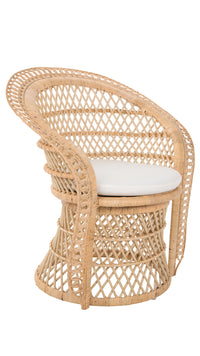
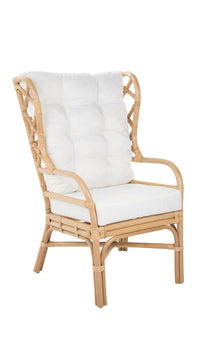
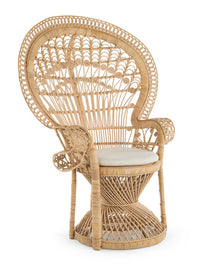
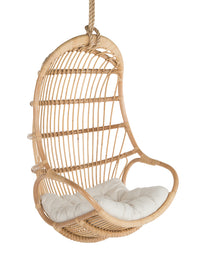
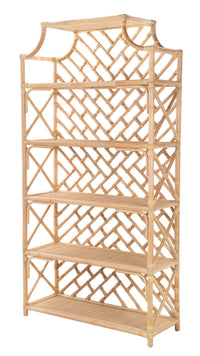
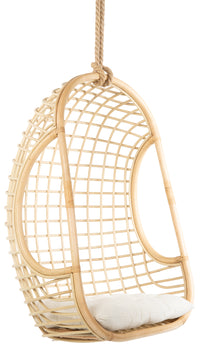
Want to lean into this look? Browse pieces that bring natural texture into the mix in Kouboo’s rattan furniture collection.

Source: Martha Stewart
Lighting a home in 2026 is less about brightness and more about mood. Instead of relying on a single overhead fixture, living rooms should use layered lighting — table lamps, floor lamps, pendants and wall lights — to create a soft, welcoming atmosphere. Decorative lighting also helps define zones within the room and contributes to the overall design.
Hint: Need a refresher on home lighting? Check out our 2026 Lighting Guide.
Cool grays are fading in favor of warmer tones like clay, sand, mushroom, olive, and soft terracotta. These colors create a calmer, more inviting space and pair naturally with wood and woven materials. Even small updates like throw pillows or artwork can help shift a room toward this warmer palette.

Source: KOUBOO
High-shine surfaces? Not in 2026. This year focuses on finishes that feel tactile and organic. Linen upholstery, unfinished wood, stone accents and woven textures create a grounded look that feels relaxed rather than overly styled. This move toward natural materials reflects a growing preference for interiors that feel calm and timeless.
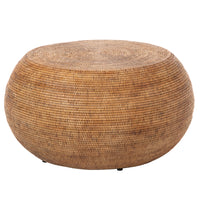
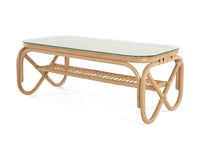
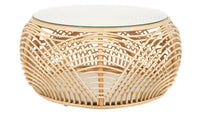
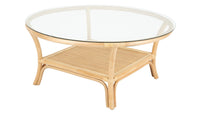
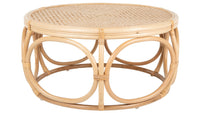
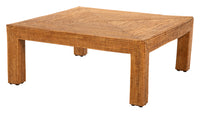
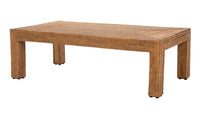
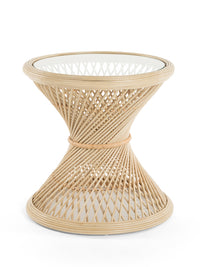
A simple way to support this trend is swapping in a naturally textured coffee or side table. Explore options in Kouboo’s rattan tables collection.
In home design, even decorative pieces should serve a purpose. A beautiful coffee table might include shelves, ottomans might open for storage, and pretty baskets can hold blankets, toys or magazines while contributing to the room's aesthetic. Instead of hiding storage, 2026 interiors integrate it into the room visually.
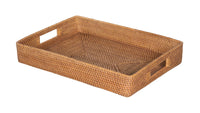
Woven storage is especially popular because it adds warmth while keeping clutter contained. Explore Kouboo’s woven basketsfor stylish ways to tuck things away.

Source: Caffe Latte Home
Neutrals remain popular this year, but the look should never be flat or minimal. Instead, neutral rooms rely on layering textures — soft rugs, linen fabrics, wood grain and woven accents — to create visual interest. Even when the palette is simple, texture adds richness and depth.
Sofas and chairs are trending slightly lower, deeper and more relaxed. Low-profile furniture makes rooms feel more open and grounded while encouraging lounging rather than upright, formal sitting. This shift supports the broader trend toward comfort-first interiors.

Source: Real Homes
Formal living rooms are a dying breed. In 2026, the focus is on spaces people actually want to use. Plush cushions, soft throws and inviting shapes replace stiff styling. Rooms are designed for daily living rather than occasional display.
Coffee tables are taking on a stronger visual role this year. Larger or more textured tables can anchor the room, reducing the need for excessive decor. Organic materials like woven bases or natural wood tops add warmth while providing a functional centerpiece.

Source: KOUBOO
In 2026, curved furniture shapes are continuing to gain popularity. Sofas, armchairs, tables and even shelving with rounded edges help soften a room visually. Curves also pair well with natural materials, making them a versatile addition to modern living rooms.
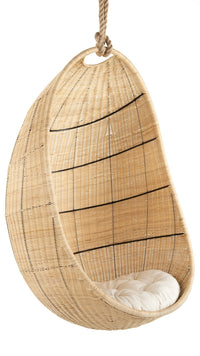
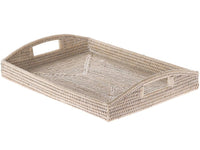
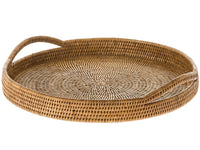
Woven elements are no longer just decorative touches — they’re becoming foundational design pieces. Trays, baskets, lighting and even furniture made from woven materials add texture and warmth. They work well across many styles, from coastal to contemporary.

Source: Bless This Nest
Layering rugs is a simple way to add both comfort and visual interest. A neutral base rug paired with a smaller textured or patterned one helps define seating areas and makes the room feel more intentional. This technique is especially useful in large living rooms that need grounding.

Source: Style by Emily Henderson
Matching sets are becoming less popular as homeowners lean toward a more personal look. Mixing materials, finishes and eras creates a space that feels curated over time. This approach also allows you to gradually update your room instead of replacing everything at once.
Instead of filling shelves and tables with many small items, 2026 styling favors fewer, larger accents. Oversized baskets, bold artwork or substantial decorative objects feel more intentional and help reduce visual clutter.

Source: KOUBOO
Living rooms are increasingly designed to reflect the calm of outdoor spaces. Natural light, breathable fabrics, organic textures and neutral palettes help blur the boundary between indoors and outside. Materials like rattan, linen and wood help reinforce this relaxed, nature-inspired aesthetic.
Living rooms often serve more than one function. Many now include reading corners, small workspaces or play zones. Flexible furniture and integrated storage help these areas blend into the room rather than feeling separate or cluttered.

Source: KOUBOO
Trays are one of the easiest ways to make surfaces feel styled without looking messy. They group objects visually while keeping items accessible. Woven trays add texture and help tie together other natural elements in the room.
Instead of stark black-and-white palettes, designers are favoring softer tonal contrast. Layering warm neutrals creates interest without making the room feel harsh. This approach helps interiors feel calm while still visually dynamic.

Source: The Spruce
Wall decor is becoming more tactile and dimensional. Woven wall art, textured panels, and layered materials add depth while keeping the palette simple. These pieces help reinforce the natural, relaxed atmosphere seen across 2026 interiors.
Living room design for 2026 is all about balance — comfort with style, practicality with warmth, and simplicity with texture. Warm tones, natural materials, flexible layouts and meaningful decor are replacing formal, high-gloss interiors. Whether you introduce woven storage, adjust your layout or swap in a textured coffee table, even small updates can help your living room feel current while remaining timeless.


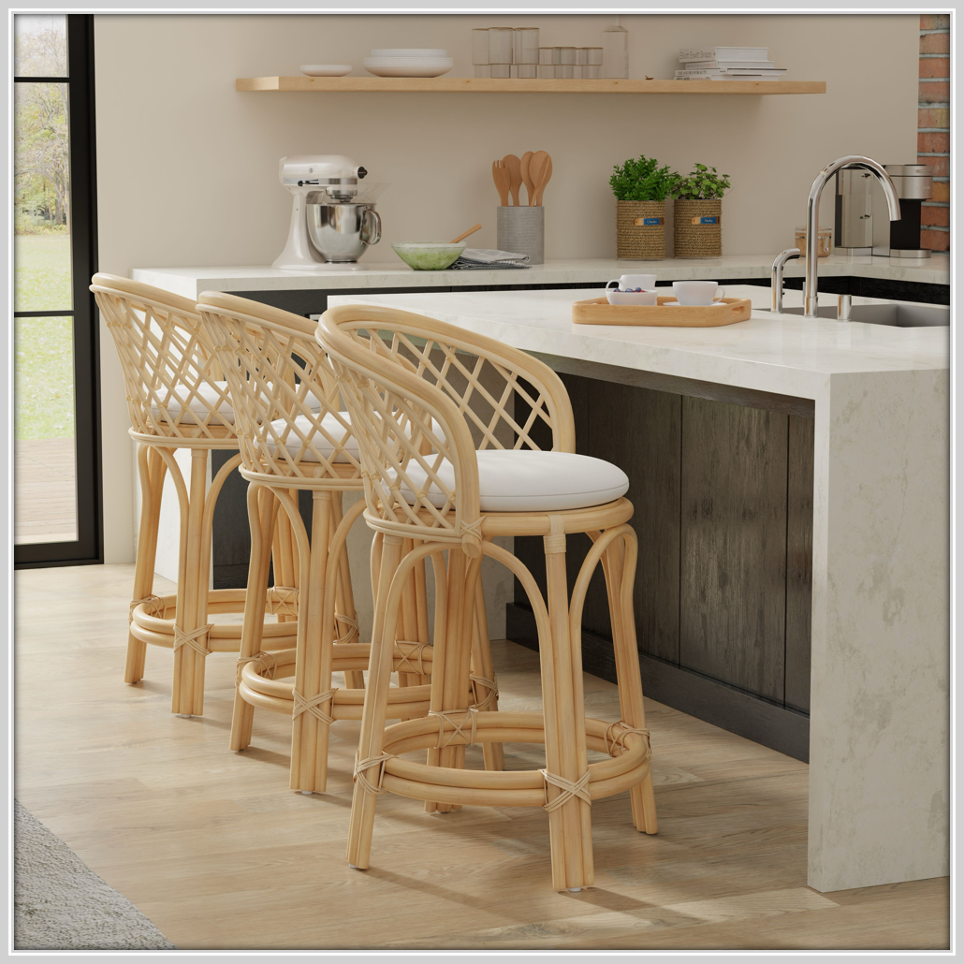
Explore 10+ kitchen island decor ideas for 2026 from Kouboo. Find practical styling tips, smart storage solutions, and simple ways to update your island.
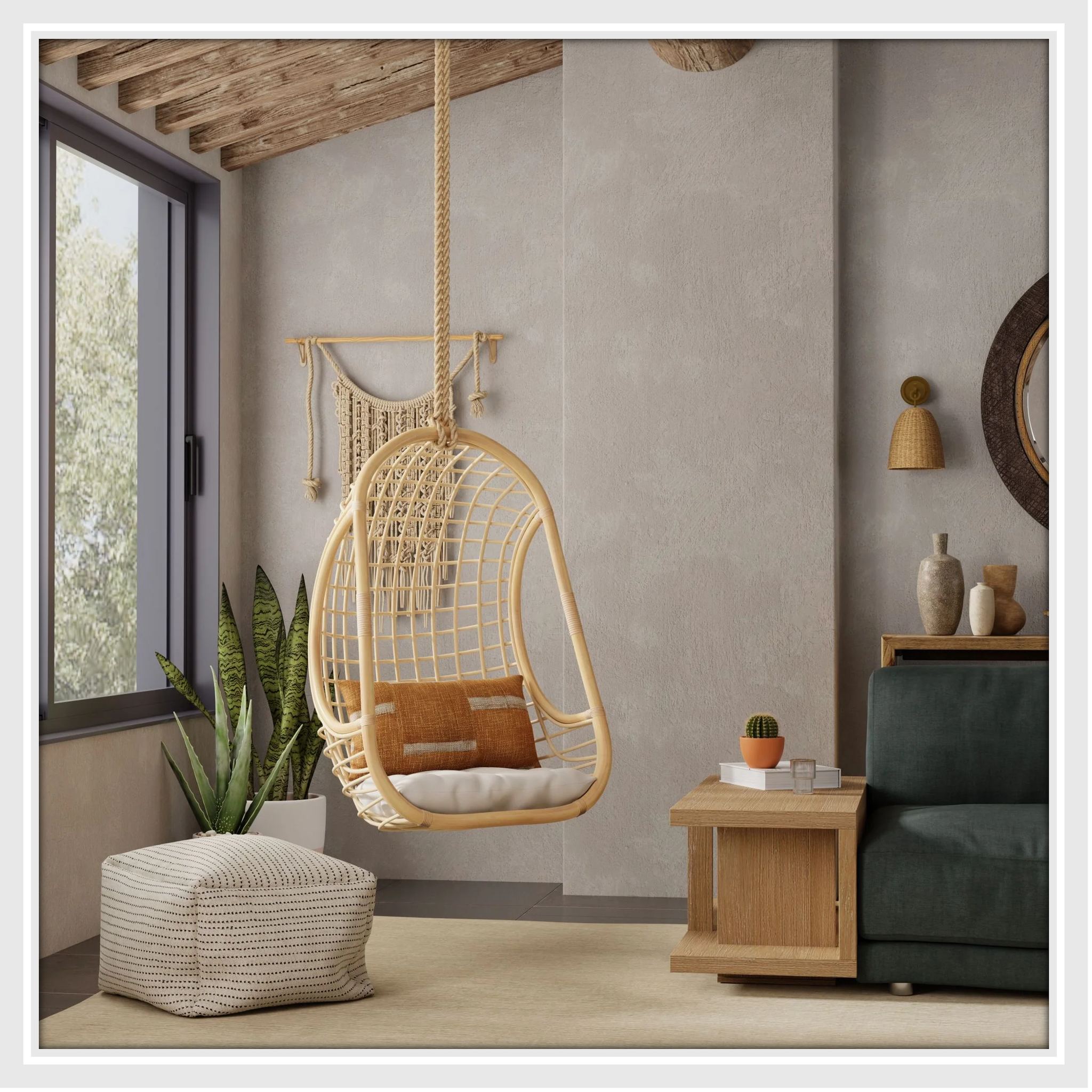
Looking ahead to 2026? Explore 20+ living room decor ideas curated by Kouboo, focused on comfort, warmth, and modern, livable design trends.

Explore different lighting types, their functions, common applications, and visual examples to understand when and how to use them.