All Discounted Items are Final Sale


Source: KOUBOO
It might not have main character energy, but lighting is the quiet ensemble behind amazing interior design. That's because lighting does far more than simply brighten a room—it shapes how a space feels, functions, and flows.
Whether you’re designing a cozy living room, a productive kitchen, or a welcoming entryway, understanding the different types of lighting helps you make confident, intentional choices. In this guide, you’ll learn about the major types of lighting, their purpose, and how they’re commonly used so you can create well-balanced, functional, and beautiful spaces throughout your home.

Source: KOUBOO
Purpose and characteristics:Ambient lighting provides the overall illumination for a room. It’s the base layer of lighting that allows people to move comfortably and safely through a space. This type of lighting is typically soft, evenly distributed, and non-directional, designed to eliminate dark corners without creating harsh shadows or glare.
Ambient lighting should feel natural and welcoming. It sets the tone for the entire room and works best when it fills the space evenly rather than focusing on one specific area.
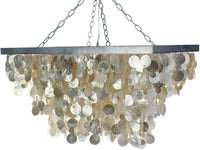
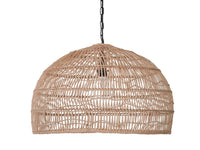
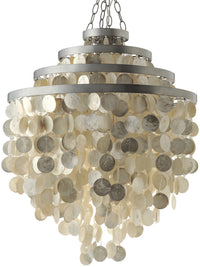
Typical sources:Common sources of ambient lighting include ceiling-mounted fixtures, chandeliers, pendant lights, and recessed lighting. Materials that naturally diffuse light—such as woven rattan or capiz shells—help soften brightness and add warmth.
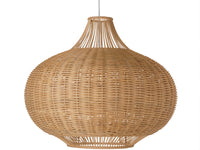
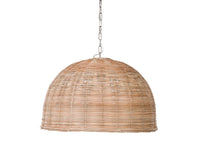
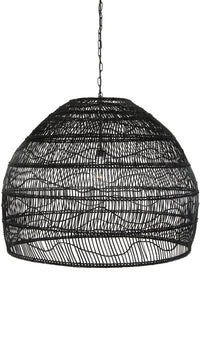
For rooms that need both illumination and visual interest, rattan pendant lampsand capiz chandeliers work especially well, as these styles provide functional light while contributing texture and a relaxed, organic feel.

Source: Better Homes & Gardens
Purpose and characteristics:Task lighting is designed to illuminate specific areas where focused activities take place. Its goal is clarity and precision, helping reduce eye strain during tasks like reading, cooking, writing, or grooming.
Compared to ambient lighting, task lighting is brighter and more directional. It’s positioned close to the activity area to provide targeted light exactly where it’s needed.
Typical sources:Desk lamps, bedside reading lamps, vanity lights, under-cabinet kitchen lighting, and adjustable wall-mounted fixtures are common examples. Many task lights are adjustable so you can control direction and intensity.
Task lighting is most effective when layered with ambient lighting rather than used on its own.

Source: ARIYONAINTERIOR
Purpose and characteristics:Accent lighting highlights specific features in a space, such as artwork, shelving, architectural details, or decorative objects. It adds depth and dimension by creating contrast between light and shadow.
Accent lighting is directional and more focused than ambient lighting, but it’s used selectively. The goal is emphasis—not overall brightness.
Typical sources:Spotlights, track lighting, picture lights, and small directional fixtures are commonly used for accent lighting. When placed thoughtfully, accent lighting draws attention to focal points and elevates the overall design of a room.

Source: KOUBOO
Purpose and characteristics:Decorative lighting functions as both a light source and a design statement. While it may provide some illumination, its primary role is aesthetic—adding personality, texture, and visual interest to a space.
Decorative lighting often becomes a focal point in the room and reflects personal style.
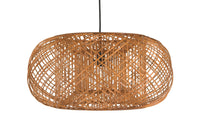
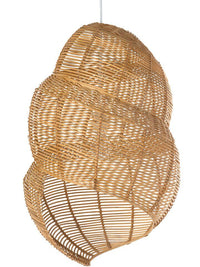
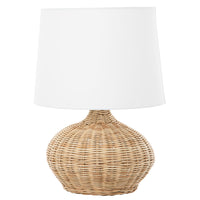
Typical sources:Statement pendant lights, sculptural chandeliers, lanterns, and distinctive table lamps all fall into this category. Natural materials like rattan and capiz shells soften light while adding warmth and artisanal character.
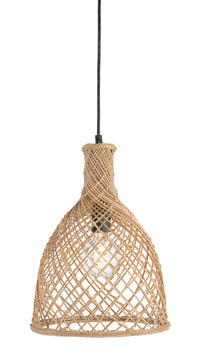
This is where Kouboo lighting stands out. Handwoven rattan pendants and luminous capiz chandeliers combine craftsmanship with function, making lighting an intentional design element rather than a purely practical one.

Source: Lavender & Laurel Home
Purpose and characteristics:Mood or atmospheric lighting creates an emotional response. It’s soft, warm, and low in intensity, designed to make spaces feel calm, cozy, or intimate rather than brightly lit.
This type of lighting works best when layered with ambient lighting and is often used in the evenings or for entertaining.
Typical sources:Lanterns, candles, string lights, dimmable lamps, and low-wattage fixtures are common mood lighting sources. Natural textures help diffuse light gently and enhance the relaxed atmosphere.
Rattan lanterns and hurricanesare especially effective for creating a warm glow indoors or outdoors. They’re ideal for living rooms, dining tables, patios, and bedrooms.

Source: Gira
Purpose and characteristics:Indirect lighting reflects light off surfaces such as walls, ceilings, or cabinetry rather than shining directly into the room. This creates soft, glare-free illumination that feels polished and understated.
Indirect lighting is often used to enhance architectural features or to provide ambient light without visible fixtures.
Typical sources:LED strip lights, cove lighting, wall washers, and concealed fixtures placed behind headboards, shelves, or ceiling details are common examples. Indirect lighting pairs well with textured materials to balance softness and structure.

Source: Ideal Home
Purpose and characteristics:Utility lighting focuses entirely on function. It provides bright, clear illumination in areas where visibility is essential for everyday tasks.
This lighting is typically straightforward and practical rather than decorative.
Typical sources:Flush-mount ceiling lights, puck lights, LED strips, and motion-activated fixtures are commonly used in closets, pantries, laundry rooms, garages, and storage areas.
Thoughtful placement ensures even coverage and makes these spaces easier to use.

Source: Real Homes
Purpose and characteristics:Safety and orientation lighting helps guide movement and prevent accidents, especially in low-light conditions. These lights are usually subtle and low-level, providing just enough illumination to navigate safely.
They often operate independently from ambient lighting and may turn on automatically when motion is detected.
Typical sources:Step lights, night lights, pathway lights, and motion-sensor fixtures are common. They’re frequently used in hallways, staircases, bathrooms, entryways, and outdoor walkways.
A thoughtfully lit home relies on multiple types of lighting working together. Ambient lighting sets the foundation, task lighting supports daily activities, and accent, decorative, and mood lighting add depth, comfort, and personality. By layering different lighting types and choosing materials that soften and enhance illumination, you can create spaces that feel functional, welcoming, and intentionally designed. With the right balance, lighting becomes more than a necessity—it becomes a defining element of your home.

Furniture types explained room by room - what each piece is for, standard sizes, and placement rules to help you buy the right furniture the first time.

Looking for rattan furniture? We compare 10 of the best online stores, from Kouboo's handcrafted pieces to budget and boho-chic picks.
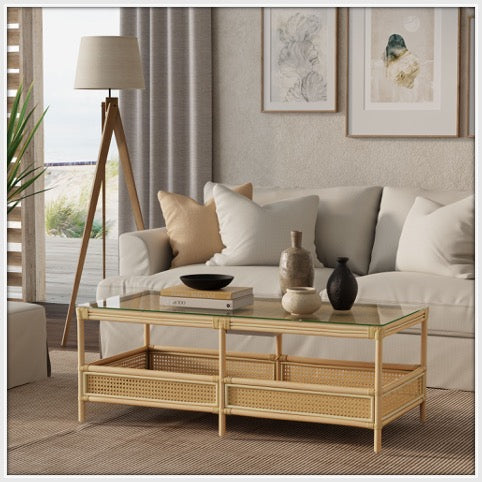
Ottoman vs. coffee table: compare comfort, storage, safety, and style to find the best fit for your living room, plus real picks from Kouboo's rattan collection.