All Discounted Items are Final Sale
If grandmillennial is on your home aesthetic bingo card, you’ve come to the right place. Grandmillennial style is a fresh, personal take on traditional decorating that combines nostalgic patterns, antique-inspired furniture and collected accessories with a lighter, more modern point of view – better yet, it’s a style that most people with a traditional aesthetic can nail.
Not a millennial? Not a problem. While the term originally described design-minded adults in their mid-20s to late 30s who preferred chintz, wicker and heirloom china to minimalist rooms, today the look appeals to people of all ages. Its three signatures are traditional patterns, character-rich furniture and meaningful, layered details.
Done well, grandmillennial decor feels warm and established, as if a home evolved over time. The goal is not to re-create your grandmother’s living room exactly. It is to borrow its charm while leaving behind the formality and clutter.

Source: KOUBOO
Grandmillennial style is an updated form of traditional interior design that mixes floral patterns, vintage or antique accents, classic furniture and handcrafted details with edited layouts and contemporary touches.
The style borrows from English country houses, American traditional interiors, preppy design and the carefully layered rooms of the 1940s through the 1980s. Common elements include chintz, toile, botanical prints, pleated lampshades, brown wood furniture, wicker, embroidery and blue-and-white ceramics.
Unlike a period reproduction, however, a grandmillennial room does not try to represent one historical era perfectly. An antique chest might sit below abstract artwork. A skirted table may share a room with a clean-lined sofa. A traditional floral fabric could appear beside a sculptural rattan chair.
That mix is what makes the style feel current rather than preserved in time.
The style’s early design enthusiasts (those aforementioned millennials) genuinely admired decorating choices that previous generations had dismissed as old-fashioned. They embraced needlepoint pillows, floral wallpaper, monograms and inherited china without irony. They valued rooms with history and personality over spaces that looked as though everything had been purchased from the same showroom.
With a much broader following, grandmillennial captures Gen Z home decorators, older homeowners and anyone tired of impersonal interiors and drawn to the same mix of color, craftsmanship, comfort and nostalgia.
Writer Emma Bazilian coined the term “grandmillennial” in a 2019 House Beautiful article. It described a new traditionalist who appreciated the past while adapting it to contemporary life.
The look emerged partly as a reaction against the white, gray and sparsely decorated rooms that had dominated magazines and social media. After years of minimalism, some homeowners wanted more color, pattern and individuality.
Ironically, the same social platforms associated with minimalist interiors helped grandmillennial style spread. Instagram and Pinterest gave designers and homeowners places to share wallpapered rooms, collected tablescapes and traditional fabrics with a new generation.

Source: Martha Stewart
These terms overlap, but they are not completely interchangeable:
All three mix old and new. Grandmillennial style is generally the most pattern-forward and closely associated with chintz, rattan, needlepoint and decorative collections.

Source: Homes & Gardens
There is no required shopping list for grandmillennial decor. However, most successful rooms combine several of these signature elements:
The key is editing. A room can include many patterns and objects, but they should relate through color, scale or subject.
 Source: KOUBOO
Classic grandmillennial colors include cornflower blue, navy, sage green, moss, blush pink, dusty rose, butter yellow, burgundy and warm cream. More saturated rooms may incorporate emerald green, cranberry red or aubergine.
Choose two or three principal colors before choosing your fabrics. For example, blue, green and ivory can connect a floral curtain, striped chair and patterned rug even when each has a different design.
Warm white, cream or pale blue can provide visual breathing room. Darker colors work well in small, enveloping spaces such as libraries and powder rooms. Avoid introducing a new color with every accessory; repetition is what makes a pattern-filled room feel deliberate.

Source: Better Homes & Gardens
Floral chintz may be the style’s best-known fabric, but that’s only the beginning. Toile, plaid, gingham, ticking stripes, block prints and small botanical motifs all belong in a grandmillennial room. Embroidery, quilting and needlepoint add texture and a sense of handwork.
When combining patterns, be sure to vary their scale. Start with one large “hero” pattern, such as a floral curtain or upholstered headboard. Add a medium-scale geometric pattern and then a small stripe or print. Repeat at least one color across all three.
Keep in mind you don’t have to cover every surface. A solid sofa, plain wall or natural-fiber rug gives the eye a place to rest and makes the surrounding patterns more noticeable.
Grandmillennial furniture favors familiar, graceful forms: rolled-arm sofas, wingback chairs, pedestal tables, four-poster beds, skirted ottomans and chests with brass hardware. Walnut, mahogany and cherry finishes bring depth and history.
Too much dark, heavy furniture can make a room feel dated, so introduce lighter pieces. Glass-topped tables, open-legged chairs and woven furniture break up visual weight. Rattan is particularly useful because it has a traditional history but still feels relaxed.
KOUBOO’s handcrafted rattan furniture can provide that balance. A Chippendale rattan headboard adds a recognizable traditional motif without the heaviness of a solid wood bed. A Round Rattan Loop Armchair or Peacock Rattan Dining Armchair introduces curves, texture and an informal note.
In a living room, consider one of KOUBOO’s rattan tables. The Peacock Rattan Side Table has a decorative silhouette suited to the style, while a La Jolla coffee table can ground a patterned seating arrangement with natural texture.

Source: Country Living
Wallpaper can establish the look immediately. Florals, vines, birds, chinoiserie scenes and small geometric repeats all work, depending on the room.
If papering four walls feels like too much, start with one accent wall, a powder room or a ceiling. Wallpaper can also animate the back of a bookcase, glass-front cabinet or built-in shelving. Removable peel-and-stick designs give renters and cautious decorators a lower-commitment option.
Painted paneling, beadboard and decorative molding offer quieter alternatives. They create traditional architecture without adding another pattern.

Source: A Glass of Bovino
Look for ceramic table lamps, brass library lamps, shaded sconces and lantern- or candle-style chandeliers. Pleated, gathered or patterned shades soften the light while contributing another decorative layer.
Warm metallic finishes suit this style best. Aged brass, antique gold, bronze and lightly tarnished silver complement wood, rattan and traditional textiles. Highly polished chrome and aggressively industrial black fixtures can fight the look unless used sparingly as a modern counterpoint.
A room should have several light sources rather than one bright ceiling fixture. Table lamps and sconces create the intimate, comfortable atmosphere grandmillennial interiors do particularly well.

Source: Heirlooms at Home
Collections make a room feel personal. Blue-and-white jars, framed botanicals, miniature portraits, china plates, silver boxes, vintage books and needlepoint pillows are all natural fits.
Display similar pieces together so they read as a collection rather than scattered clutter. Hang plates in a considered arrangement, group small boxes on a tray or dedicate one shelf to ceramics.
Decorative storage can help maintain the layered look without letting everyday objects take over. KOUBOO’s woven basketscan hold blankets, magazines, toys or electronics while adding a traditional handcrafted texture. A La Jolla shelf basket, Laguna round storage basket or lidded rattan storage box can be part of the decor instead of something that needs to be hidden.

Source: Better Homes & Gardens
Choose a comfortable sofa as the anchor, whether it is solid, striped or floral. Put the strongest pattern on curtains, an accent chair or the rug rather than using all three at maximum intensity.
Complete the room with a rattan coffee or side table, a pleated-shade lamp and a few needlepoint or block-print pillows. Add a basket for throws so the room remains practical.

Source: Layla Grace
A four-poster bed or decorative rattan headboard makes an effective anchor. Use pattern on the headboard, wallpaper or bed linens, then allow the other two to play supporting roles.
Add a quilt or matelassé coverlet, a small floral pillow and ceramic bedside lamps. Matching lamps provide order even when the room includes several prints.

Source: KOUBOO
Begin with a wood dining table or a set of classically shaped chairs. Pattern can appear in upholstered seats, curtains or a rug.
Finish with a traditional chandelier, framed botanical prints and a display of china. Rattan dining chairs can keep a formal room from feeling overly serious, particularly when paired with a substantial wood table.

Source: The Sun
In a kitchen, cabinetry is usually the anchor. Cream, pale blue, sage or deep navy cabinets provide a traditional starting point.
Keep patterns manageable with a café curtain, Roman shade or upholstered breakfast-nook cushion. Display a few useful collections, such as transferware, cutting boards or copper pans. A woven tray, pantry basket and small lamp can add warmth without interfering with food preparation.

Source: The Glam Pad
Use the vanity as the anchor, then add wallpaper for the primary pattern. Complete the room with a framed mirror, shaded sconces and one or two ceramic or woven accessories.
A powder room is usually the least expensive place to test whether you truly enjoy this style. Because the space is small and used briefly, it can accommodate a bolder wallpaper or paint color than you might choose for a main living area.
Yes. Grandmillennial style remains relevant, although it is more useful to think of it as an evolving design approach than a short-lived trend.
The name dates to 2019, and design labels inevitably rise and fall. However, the foundation beneath it — traditional furniture, botanical prints, handmade details, antiques and rooms that reflect their owners — has existed for generations.
Current interest in warmer colors, vintage furnishings, craftsmanship and character-filled homes continues to support the look. What may eventually sound dated is the word “grandmillennial,” not the well-made rattan chair, wood chest or hand-stitched pillow chosen for a home.
Invest in pieces you would still like without the label. Use trend-driven motifs on easily changed items such as pillows, lampshades and peel-and-stick wallpaper. That distinction allows the room to evolve without requiring a complete redesign.
Grandmillennial style brings together the familiarity of traditional design and the freedom of a more personal, contemporary home. Its florals, antiques, rattan furniture, woven baskets and decorative collections create warmth, but careful editing keeps the result from feeling old-fashioned.
Begin with a coherent palette, one strong pattern and a traditional anchor. Add natural texture, meaningful objects and a few modern counterpoints. The result should not look like a themed room or an exact copy of someone else’s home. It should feel collected, comfortable and unmistakably yours.
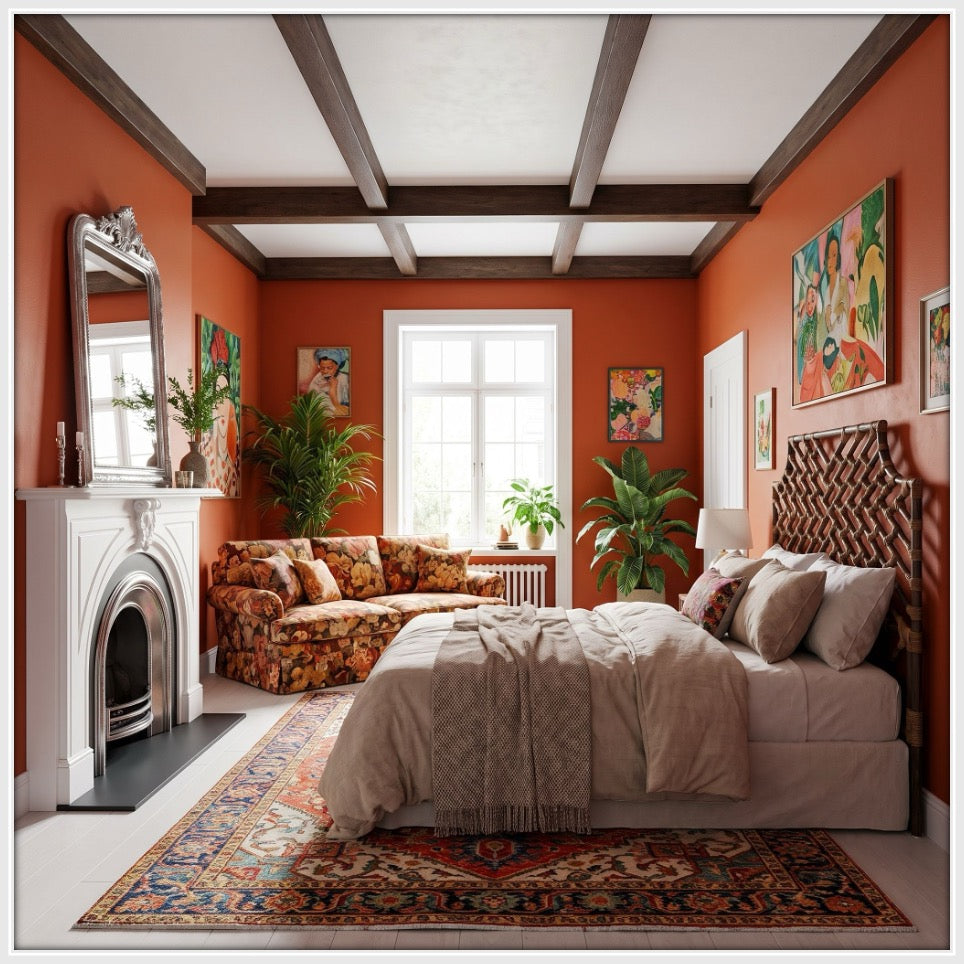
Discover what grandmillennial style is, from vintage patterns and antique accents to cozy, traditional details — and learn how to get the look right.

Furniture types explained room by room - what each piece is for, standard sizes, and placement rules to help you buy the right furniture the first time.

Looking for rattan furniture? We compare 10 of the best online stores, from Kouboo's handcrafted pieces to budget and boho-chic picks.
