All Discounted Items are Final Sale
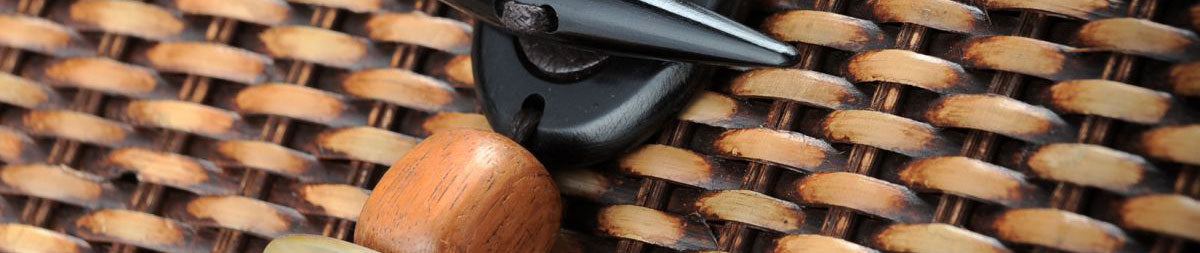
Kubu rattan is natural rattan processed to achieve a distinctive gray-brown color and rustic texture. Popular for woven baskets, furniture and decorative accessories, it combines the strength and flexibility of rattan with a softer, weathered appearance that complements many interior design styles. Here's what makes kubu rattan different, how it's produced and whether it's the right material for your home.

Source: KOUBOO
Kubu rattan is a type of treated natural rattan commonly used in Indonesian basketry and furniture making. The term "kubu" describes the material's characteristic finish rather than a separate plant species. Rattan comes from climbing palms native to tropical regions, particularly Southeast Asia. Their long, flexible stems are harvested and prepared for weaving into furniture, baskets and home accessories. Kubu rattan traditionally undergoes a soaking or curing process, sometimes involving water or mud, that develops its muted gray-brown coloring. The resulting material has a naturally aged appearance without requiring a painted finish.
The primary difference between kubu rattan and regular rattan is its processing and appearance. Regular rattan often has a golden or honey-colored finish, while kubu rattan features softer shades of gray, taupe and brown. Both share the same basic structural properties because they come from rattan palms. Wicker, meanwhile, isn't a material at all. **Wicker refers to a weaving technique** that can use rattan, willow, bamboo, synthetic fibers or other materials. A kubu rattan basket is therefore also a wicker basket: kubu describes the material and finish, while wicker describes its woven construction.
Source: KOUBOO
Traditional kubu rattan production involves harvesting, treating and weaving natural rattan stems. Although methods vary by manufacturer, the general process includes:

Source: KOUBOO
Kubu rattan is known for its earthy coloring, organic texture, strength, manageable weight and flexibility. These characteristics make it particularly suitable for woven home furnishings.
Kubu rattan typically ranges from mushroom gray and warm taupe to deeper gray-brown shades. Its distinctive color develops during the soaking or curing process. Because natural fibers respond differently to treatment, slight variations occur between strands and finished pieces. These tonal differences create a layered, weathered appearance that pairs easily with neutral interiors.
Kubu rattan has a matte, tactile surface with visible fibers and woven patterns. Its texture comes from the rattan's natural structure, preparation and weaving. Depending on the construction, finished pieces may feel relatively smooth or noticeably rustic. This makes kubu rattan especially useful for adding visual interest alongside smooth materials such as ceramics, glass, polished wood and upholstered furniture.
Kubu rattan can withstand regular household use when properly constructed and maintained. Rattan's naturally fibrous stems provide strength while allowing some flexibility. However, kubu processing doesn't necessarily make it stronger than regular rattan. Durability depends on strand thickness, weave density, construction quality and care. Tightly woven baskets are generally well suited to everyday storage, although excessive weight, moisture and rough handling can cause damage.
Kubu rattan products are often relatively lightweight compared with similarly sized solid-wood or metal furnishings. A large woven basket, for example, can hold blankets or pillows without the bulk of a wooden storage chest. Actual weight depends on the size, weave density and whether the piece includes a supporting frame.
Rattan becomes pliable when properly prepared and moistened, allowing artisans to bend and weave it into different shapes. Once dried and assembled, the finished weave holds its intended form. This makes kubu rattan particularly suitable for both [small baskets](https://www.kouboo.com/collections/small-baskets), which require detailed shaping, and [large baskets](https://www.kouboo.com/collections/large-baskets), which benefit from strong, adaptable woven construction. Finished products should not be repeatedly bent or reshaped.
Rattan is a renewable plant material. Its climbing stems can be harvested without necessarily killing the palm, allowing new growth when harvesting is properly managed. Responsible rattan production can also provide economic value to forested areas without requiring the removal of trees for timber. However, sustainability depends on harvesting practices, forest management, transportation and processing methods. Natural rattan isn't automatically environmentally responsible simply because it comes from a plant. Choosing responsibly sourced, well-constructed pieces designed for long-term use is an important consideration.

Source: KOUBOO
Kubu rattan is most commonly used for woven storage, furniture and decorative accessories. Its neutral coloring and textured appearance suit coastal, farmhouse, bohemian and organic modern interiors. Popular applications include: Storage baskets: Ideal for organizing blankets, pillows, toys and magazines while keeping everyday items accessible. Explore KOUBOO's woven basket collection for decorative storage options. Furniture: Chairs, benches and accent pieces introduce natural texture without the visual heaviness of solid-wood furniture. Decorative planters: Woven baskets complement indoor greenery when paired with a waterproof inner pot or liner. Laundry and household organizers: Larger baskets offer attractive storage for linens and everyday necessities in dry indoor spaces. Decorative accessories: Trays and smaller containers add texture to shelves, consoles and coffee tables. Kubu rattan is especially effective in living rooms, bedrooms and entryways, where its natural appearance softens more structured furnishings.

Source: KOUBOO
The greatest advantages of kubu rattan are its versatility, natural appearance and practical usefulness. Easy to decorate with: Its muted gray-brown tones complement a wide range of colors and furnishings, making it adaptable as decorating preferences change. Attractive everyday storage: Woven baskets keep household essentials organized without looking purely utilitarian. Natural visual interest: Its handcrafted texture adds depth to rooms dominated by smooth surfaces and solid colors. Convenient portability: Many kubu rattan baskets are easy to move when cleaning, reorganizing or rearranging a room. Variety of shapes and sizes: Flexible rattan strands allow artisans to create everything from compact organizers to oversized floor baskets. Long-term usefulness: Well-made pieces can remain functional for years with appropriate care. For homeowners who appreciate natural materials, kubu rattan offers a balance of decorative appeal and everyday function.
Kubu rattan is relatively easy to maintain, but like other natural woven materials, it performs best in suitable conditions.
| Limitation | How to Work Around It |
|---|---|
| Moisture sensitivity | Keep pieces away from standing water and persistent humidity. Use waterproof inner containers for plants. |
| Sunlight exposure | Avoid prolonged direct sunlight, which may cause fading, discoloration or drying. |
| Dust in woven crevices | Clean periodically with a vacuum's soft brush attachment or a dry, soft-bristled brush. |
| Natural color variation | Expect slight tonal differences. Purchase coordinating pieces together when close color matching matters. |
| Potential snags | Choose tightly woven designs for frequently handled items and use liners when storing delicate fabrics. |
| Limited outdoor suitability | Keep standard kubu rattan indoors or in protected, dry settings unless specifically rated for outdoor use. |
| Damage from heavy loads | Avoid overloading baskets and select reinforced designs for demanding storage needs. |
With thoughtful placement and occasional cleaning, most of these limitations are easy to manage.

Source: KOUBOO
Kubu rattan is particularly well suited to homes that favor natural materials, neutral colors and functional decor. Before choosing a piece, consider how it will complement your space and daily routine.
Interior design style: Coastal interiors benefit from kubu's driftwood-like tones, while farmhouse and bohemian rooms embrace its rustic texture. Organic modern spaces use it to soften clean lines. In minimalist interiors, a single substantial basket can introduce texture without creating clutter.
Color scheme: Warm white walls, oak floors and cream upholstery create a cohesive look with kubu rattan. Sage green, dusty blue and earthy terracotta also complement its gray-brown finish. For contrast, place a woven basket against navy cabinetry or dark walnut furniture.
Complementary materials: Kubu rattan pairs beautifully with linen, cotton, wool, natural wood, ceramic and stone. Black metal provides contemporary contrast, while brass adds warmth. Mixing kubu with golden rattan, seagrass or other wicker finishes can create an appealing layered look.
Room and setting: Living rooms, bedrooms, home offices and entryways are excellent choices. Bathrooms and kitchens require more careful placement because prolonged moisture can damage natural fibers. Avoid leaving standard kubu rattan outdoors in exposed conditions.
Lifestyle: Families with children may appreciate sturdy woven baskets for toys and blankets. Households with pets should choose tightly woven designs and keep pieces away from animals inclined to chew or scratch. For high-traffic areas, prioritize reinforced construction and stable bases.
Maintenance: Kubu rattan is a good choice for anyone comfortable with occasional dusting and gentle cleaning. If a storage container needs frequent washing or regular exposure to water, another material may be more practical.

Source: KOUBOO
Kubu rattan can tolerate occasional light moisture during careful cleaning, but it shouldn't be soaked or left wet. Prolonged exposure to water can encourage mold, discoloration or deterioration. Use a barely damp cloth when necessary and allow the material to dry thoroughly.
Standard kubu rattan is best suited to indoor environments. Rain, humidity and prolonged sunlight can damage natural fibers over time. For outdoor spaces, choose furniture or accessories specifically designed and rated for exterior conditions.
Remove dust with a soft brush or vacuum attachment. For small marks, gently wipe with a barely damp cloth and allow the basket to air-dry completely in a ventilated area. Avoid soaking, harsh cleaners and prolonged exposure to direct heat.

Source: KOUBOO
Kubu rattan combines the natural strength and versatility of rattan with a distinctive weathered finish that works across many decorating styles. Its earthy coloring, handcrafted texture and practical storage applications make it an appealing alternative to conventional baskets and accessories. Whether you're organizing a living room, adding texture to a bedroom or looking for decorative storage that complements your existing furnishings, kubu rattan offers a timeless combination of beauty and function.
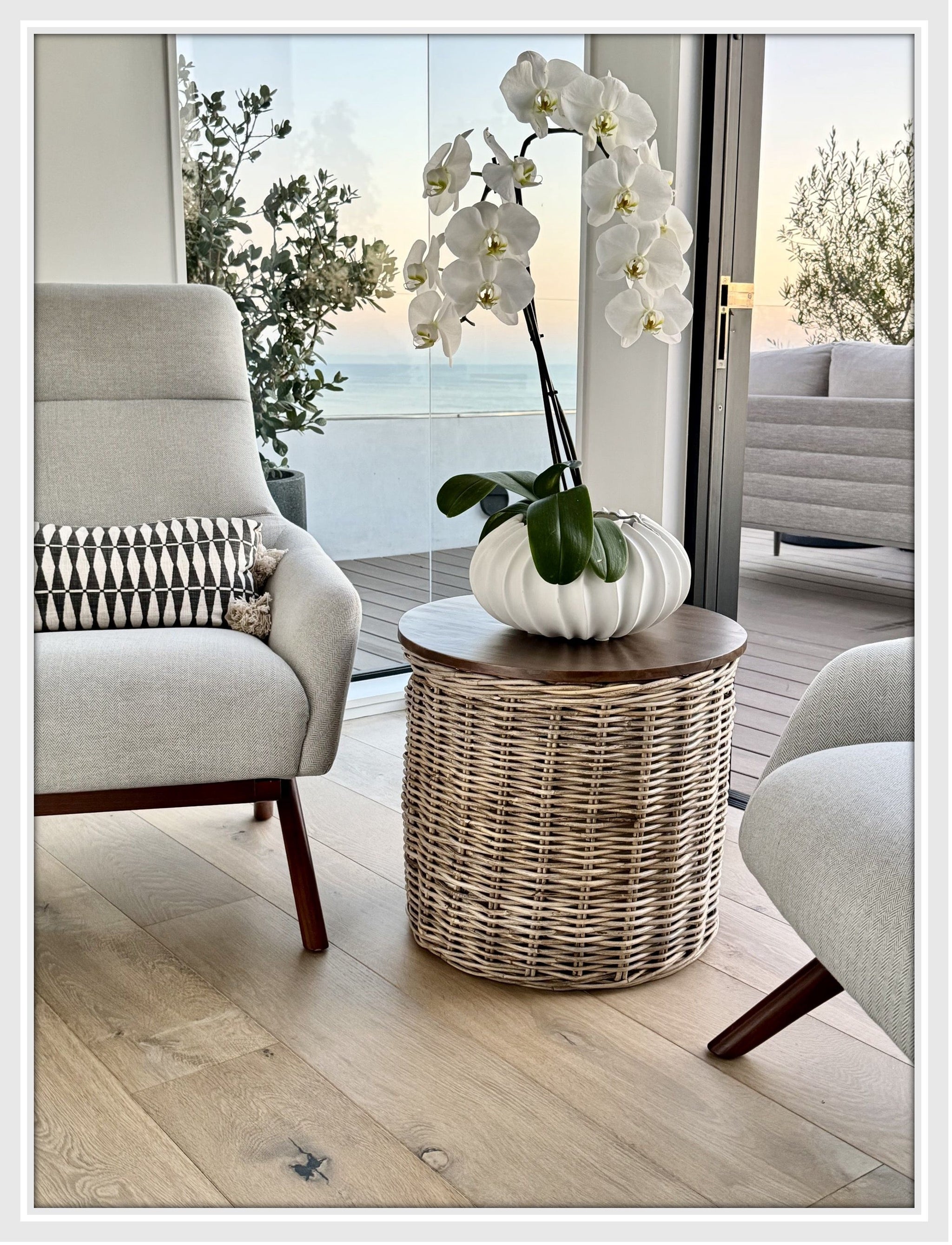
Discover what kubu rattan is, how this handwoven natural material is made, and why its warm texture and durability make it worth considering for your home.

Shopping for boho style at home? Here are 10 online stores worth checking, with a brief look at what each is known for and the pieces they do best.